

HBO's True Detective has captivated audiences not only through its intricate plots and moody visuals but also through its poignant examination of human imperfection and ethical dilemmas. The series shines a light on the dark corners of the human soul, featuring characters that resonate with their profound flaws and moral struggles.

At the heart of True Detective's narrative lies the concept that good and evil are not always clear-cut, and that human beings, regardless of their intentions, are subject to failure and moral ambiguity. The series brilliantly showcases this through its troubled protagonists, each battling their own demons while trying to uncover the truth behind some of the most heinous crimes. Whether it's Rust Cohle's nihilistic worldview and his battle with personal loss in Season 1, or Ray Velcoro's struggle with corruption and redemption in Season 2, the characters of True Detective are embodiments of the struggle to find meaning and goodness in a seemingly indifferent or even hostile world.
The show's narrative structure plays a crucial role in depicting this thematic concern. Through non-linear storytelling, fragmented timelines, and unreliable narrators, True Detective offers a multi-faceted perspective of its characters' lives, highlighting how past actions, personal trauma, and existential dilemmas shape their perceptions of morality and justice. This narrative complexity adds to the show's depiction of human frailty, suggesting that understanding someone's ethical standpoint requires peeling back layers of experiences and choices that have led them to their current moral compass.
No 1. True Detective TV series Moreover, the series does not shy away from putting its characters in extremely morally ambiguous situations. These scenarios challenge not only the characters' personal ethics but also force the audience to question their own moral boundaries. By doing so, True Detective goes beyond being a mere detective show to become a profound exploration of human morality, asking tough questions about what it means to do the right thing, the impact of sin and redemption, and whether true justice is ever achievable in a flawed world.
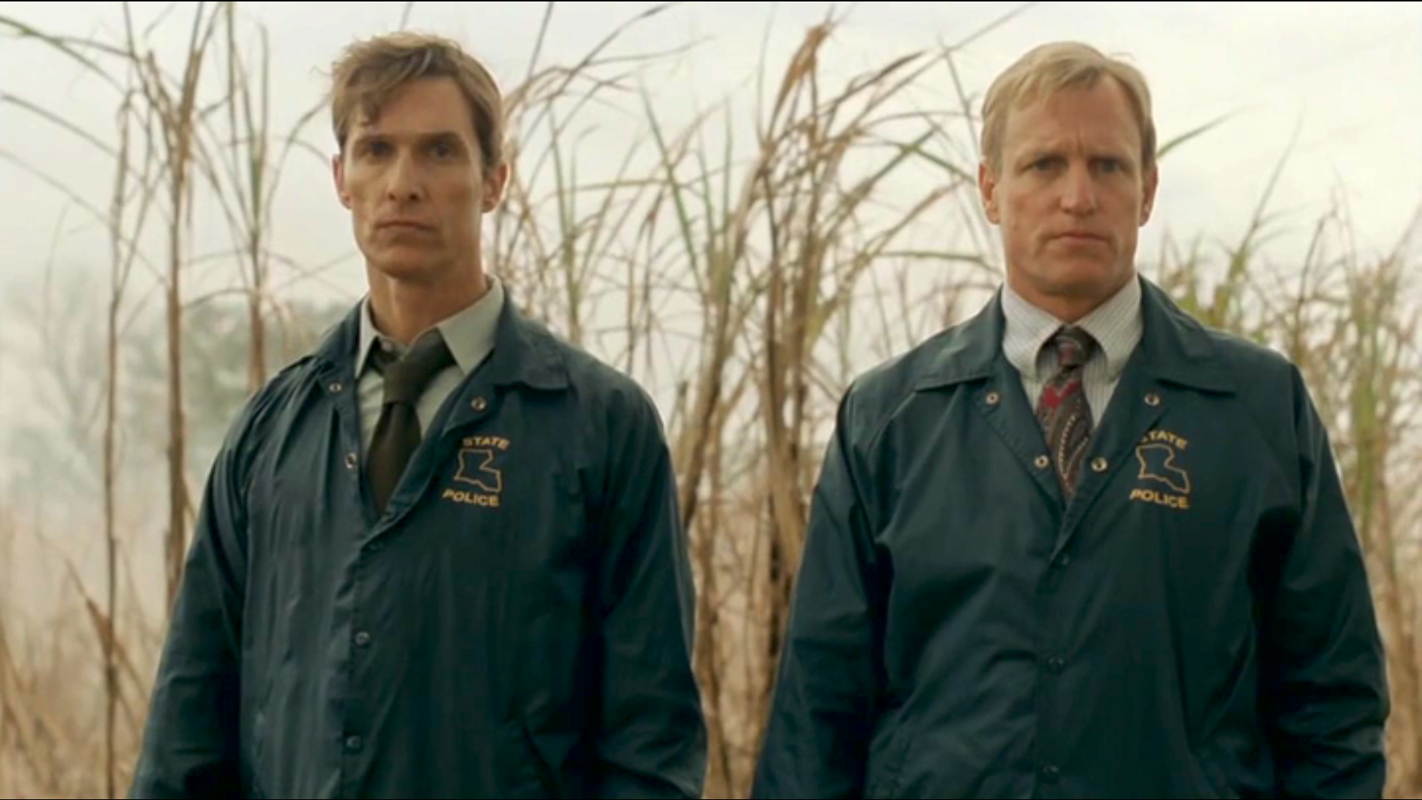
In addition to its thematic depth, True Detective's atmospheric setting reinforces the narrative's exploration of human fragility and morality. The haunting landscapes, whether the decaying industrial backdrops of Season 2 or the eerie, swampy territories of Season 1, serve as a metaphor for the decayed moral landscapes the characters navigate. These settings, combined with the series' moody cinematography and meticulous direction, create a tangible atmosphere that immerses the viewer in the psychological and ethical complexities being unraveled.
/cdn.vox-cdn.com/uploads/chorus_image/image/62766396/62e46034cda92c401147bc67a35fd79b263d0be1d768c3e491f5ba03c3f3b1440ccf9d10f6391a4e6c53017407e80212.0.jpg)
In conclusion, HBO's True Detective is more than just a series about solving crimes; it's a richly textured examination of human frailty and morality. Through its complex characters, intricate narrative structure, and atmospheric storytelling, the series invites viewers to reflect on the profound and often troubling aspects of the human psyche and the ethical dilemmas that permeate our existence. True Detective, in its exploration of the shadows of the human soul, offers a unique and compelling lens through which to view the persistent questions of good and evil, right and wrong, and the endless search for meaning in a chaotic world.
