

HBO's "True Detective" stands out not only for its intricate plotlines and complex characters but also for its profound exploration of family dynamics and dysfunction. The series serves as a poignant study on how the shadows of family history loom large over the present, affecting decisions, relationships, and identities.
At its core, "True Detective" explores the impact of broken family ties on the present. Whether it’s the strained relationship between Rust Cohle and his daughter in the first season, or the complexities faced by the Hays family in the third, the narrative consistently highlights how personal trauma and family backgrounds shape the characters' lives. Through every season, we witness the dark undercurrents of family life that drive the protagonists toward their fates, painting a stark picture of how past traumas and unresolved family issues can shadow one’s life.

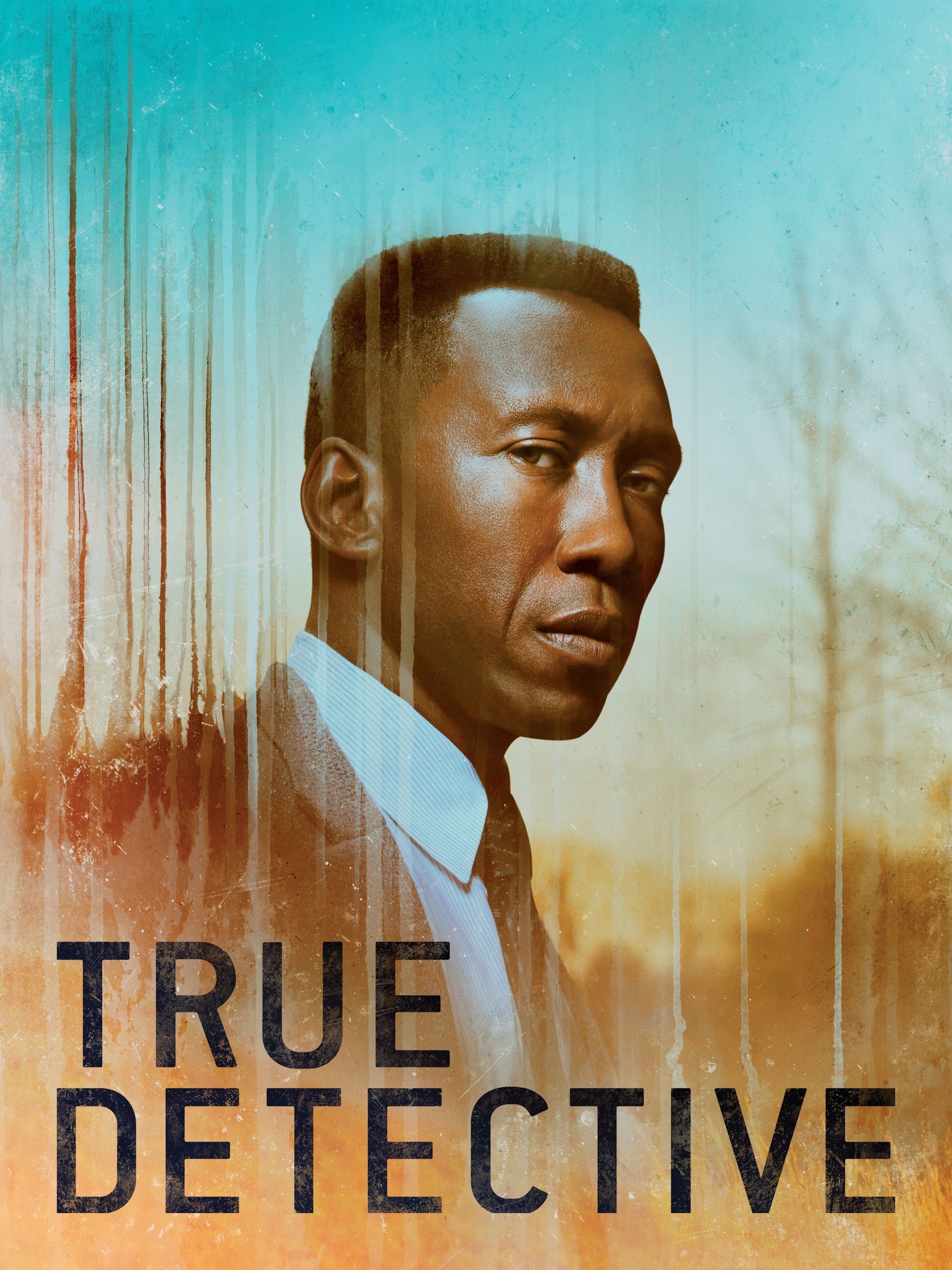
True Detective TV series description The detectives, their suspects, and even the victims are all linked in their mutual struggles with familial discord. These connections serve as a mirror to the complex relationships and dysfunctions existing within their own families. Through this, "True Detective" demonstrates how the concept of family, both as a source of strength and a root of turmoil, plays a pivotal role in shaping one’s identity and decisions.
In its inaugural season, the series masterfully delineates the ripple effects of familial disintegration on Rust and Marty, with their differing views on family and morality serving as a microcosm for broader societal issues. Conversely, Season Two explores the destructive nature of ambition and power within family units, emphasizing the corruptible influence of external success on internal family dynamics. In the following season, the narrative shifts focus towards familial legacies and the haunting effects of memory, showcasing how the past incessantly infiltrates the present.
What makes "True Detective" exceptionally powerful in its portrayal of family dynamics is its unflinching honesty. It does not hesitate to expose the raw, often painful reality of family life, from the bitterness of betrayal to the complexity of parental love. Additionally, by weaving these themes into the fabric of a crime drama, it highlights the universality of family dysfunction, making it relatable to a wide audience.

To sum up, "True Detective" is a stellar example in storytelling, not only for its suspenseful plots and complex characters but for its deep dive into the human condition through the lens of family dynamics. It serves as a poignant reminder that behind every detective story, there’s a nuanced tale of familial conflict, legacies, and redemption waiting to be discovered.