

True Detective, an acclaimed TV show, stands out for its exceptional utilization of imagery and symbolism to enhance the narrative of crime investigation. This distinctive technique not only draws viewers deeper into its complex world but also encourages them to engage in a deeper analysis of the characters and themes within. The series, spanning several seasons, each focusing on a new case and set of detectives, employs these elements to craft a viewing experience that is rich in depth and complexity.
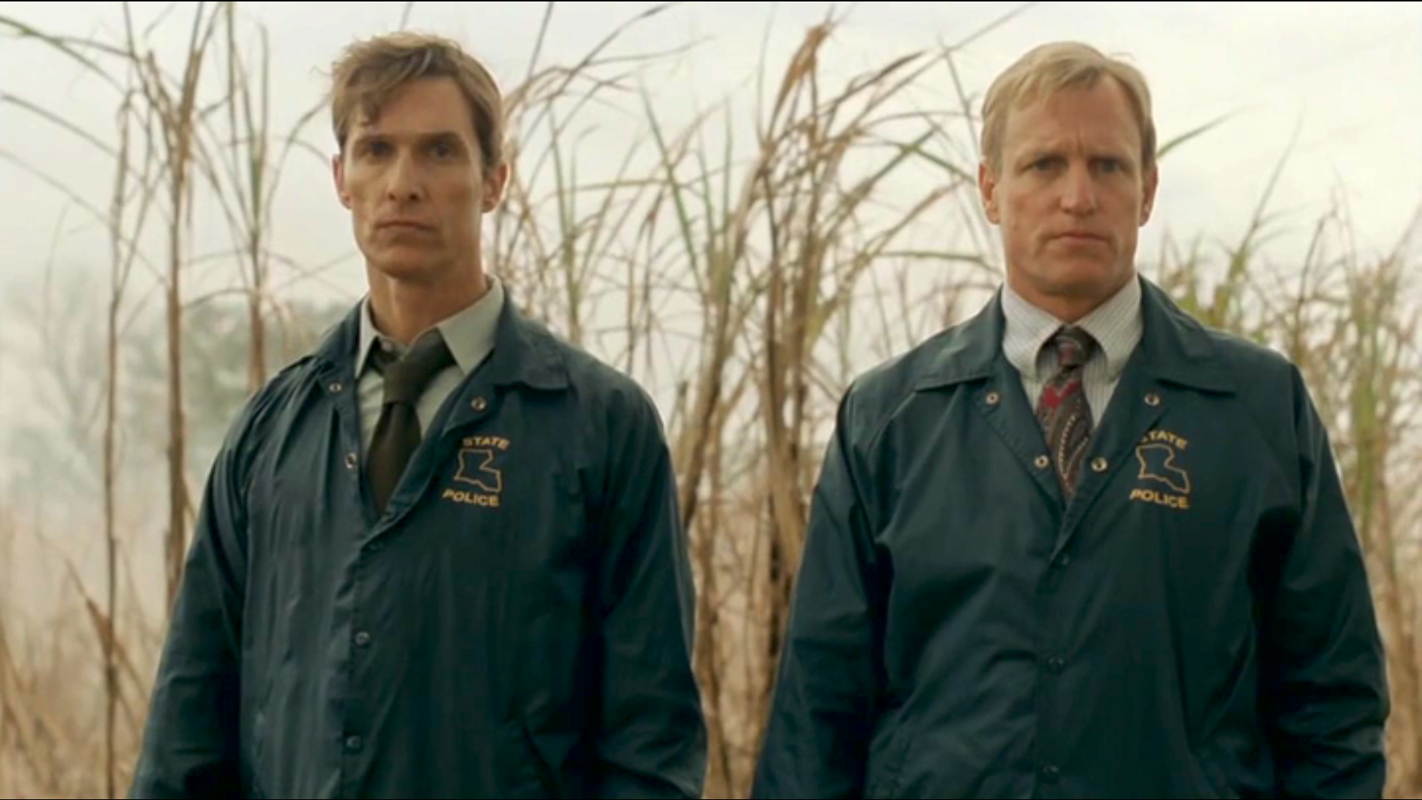
One of the most striking aspects of True Detective is its use of landscapes and settings as a form of symbolism. The scenery of each season mirrors the internal struggles and themes the characters are facing. For instance, the decaying, swampy landscapes of Louisiana in the first season metaphorically mirror the moral decay and complex depths of human nature the detectives probe. This interplay between the setting and the narrative enhances the thematic complexity of the story.
Imagery and motifs are also pivotally used throughout the series, serving as both clues and misdirections within the investigations. For instance, the recurring use of spirals and antlers not only serves to unsettle the viewer but also signifies deeper symbolisms like cyclical violence and regeneration. These symbols, woven throughout the narrative, invite viewers to look beyond the surface, suggesting that the resolution of the crime involves understanding its symbolic underpinnings.

True Detective TV series source Moreover, True Detective’s use of character-driven imagery is equally compelling. The detectives themselves are often portrayed as figures battling their own demons, reflecting the isolation and complexities inherent in their line of work. This imagery serves to humanize the crime investigation process, highlighting the personal toll such work can have on individuals.
Furthermore, the series employs dream sequences and visions, which add a layer of surrealism to the narrative. These sequences, while seemingly out of place, are laden with symbolism, offering insights into the characters’ inner psyches and the enigmas they are unraveling.
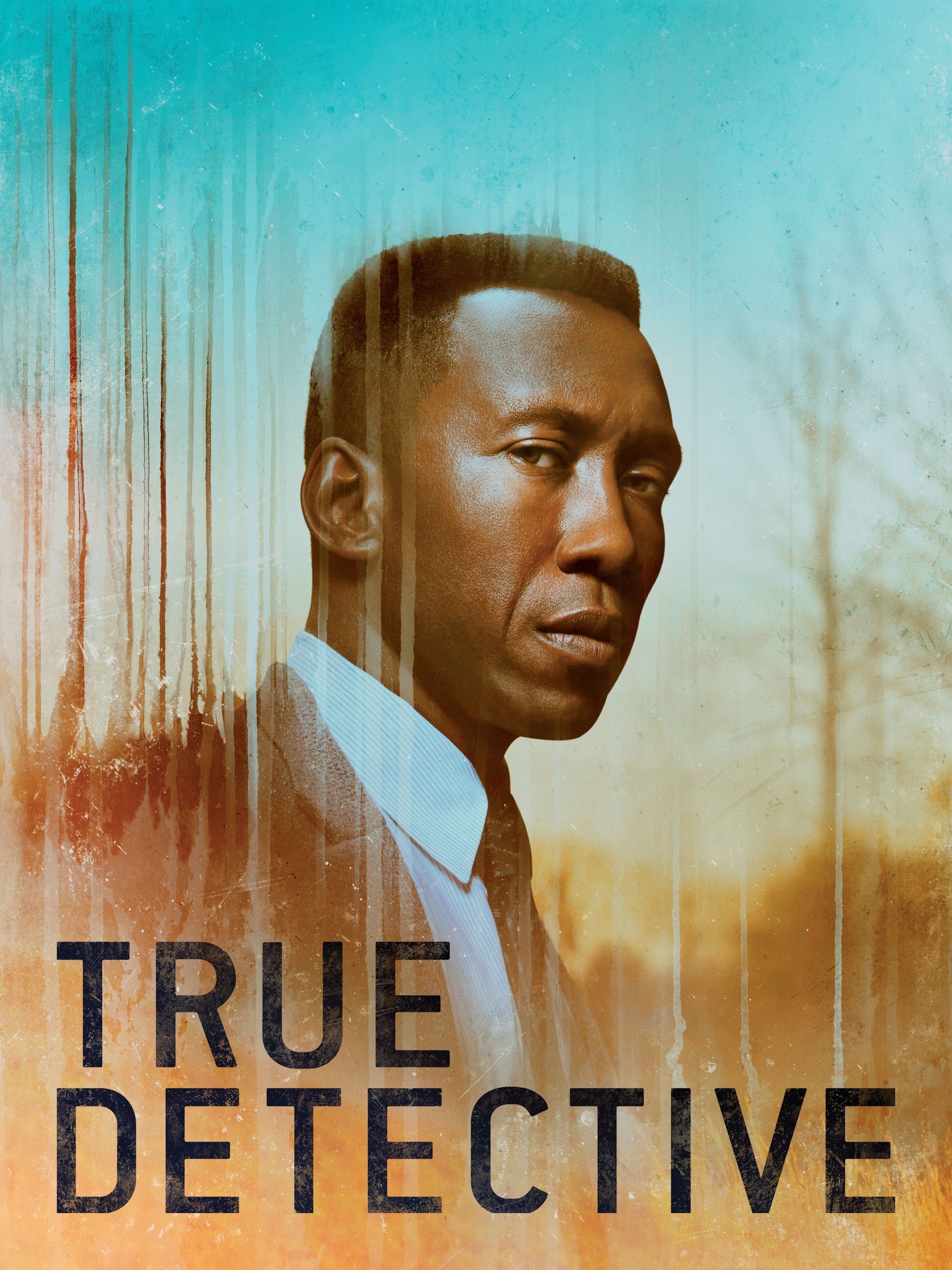
In conclusion, True Detective’s skillful use of symbolism and imagery advances the genre of crime investigation, turning it into a rich tapestry of human psychology and moral philosophy. By infusing its narrative with these elements, the series invites viewers to not just observe but to reflect and reinterpret the layers of its complex stories. In doing so, True Detective redefines what a crime TV series can be, rendering it a benchmark in modern television storytelling.