

The *True Detective* series, with its dark ambiance, complex characters, and intricately woven plots, has captivated audiences introduced. Each season unravels a fresh mystery, pulling fans further into its enigmatic world. Fans have speculated extensively about the central mysteries in each season, offering explanations that range from the convincing to the wildly speculative.

The first season of *True Detective* introduces us to Rust Cohle and Marty Hart, investigators entangled in a sinister web of occult murders in Louisiana. An overwhelming theory suggests that Rust's philosophical monologues suggest he possesses a unique understanding of time, seeing it as a flat circle, which suggests at the solution to the case and the nature of the antagonist. Fans also theorize that the setting itself, with its deep-rooted corruption and moral decay, plays a crucial role, not just as a backdrop but as a force in its own right.
In season two, we move to California, where a complicated plot around the murder of a corrupt politician unfolds. True Detective TV series link Fans have diligently analyzed the complex relationships and motivations of the four primary characters, suggesting that the season's true mystery isn’t the identity of the murderer, but rather the extent of institutional corruption and personal redemption. Theories abound that the intricate plot points are deliberately enigmatic, serving to mirror the labyrinthine nature of the characters' inner conflicts and the society's corruption they battle against.
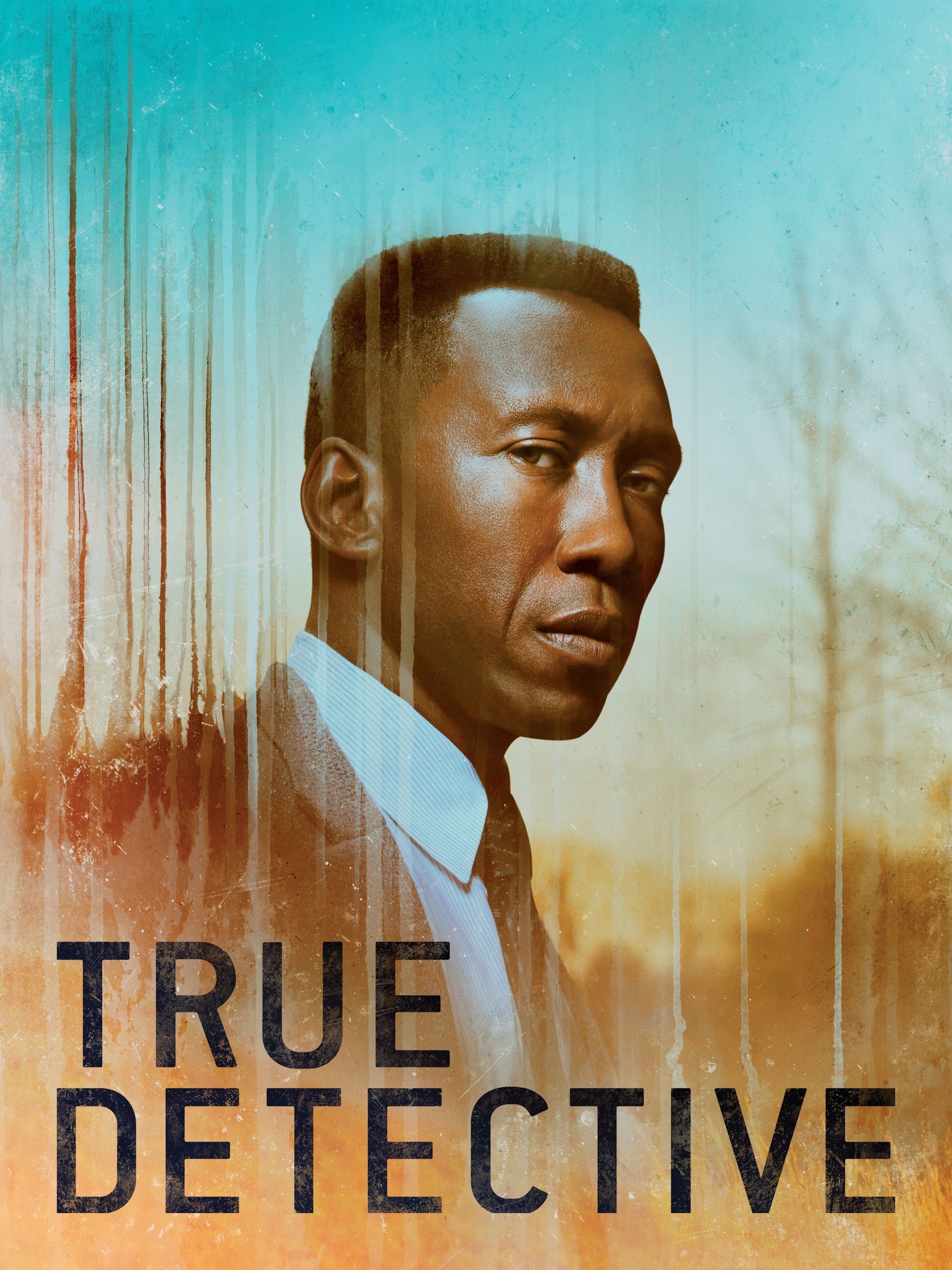
Season three, which follows the investigation into the disappearance of two children in the Ozarks, introduces a narrative that spans three different time periods. This structural choice has spurred speculation that the story’s resolution lies not in uncovering the perpetrator but in understanding the transformation of the detectives over time. Some fans suggest that the key to solving the mystery lies in deciphering how the characters' relationships and perspectives have changed, with particular attention to how memories can be distorted and how the past continually influences the present.

Across all seasons, *True Detective* invites viewers to look past the surface of the crimes to uncover broader themes of human nature, morality, and the often blurry line between good and evil. The show challenges audiences to engage directly with its complex narratives, integrating dense philosophical queries into its intricate mysteries.
The fan theories, ranging from the deeply researched to the impressively imaginative, serve as a testament to the show’s complexity and its ability to inspire discussion and debate. Whether any of these theories hits the mark, they underscore the series' success in crafting a tv show that engages viewers on multiple levels, from the personal to the philosophical.